
Last time I discussed the terrible danger that widespread peace and prosperity pose to travel — in particular the twin dangers of homogenization turning many places into a global monoculture, and the overcrowding of the few unique locations that remain unaffected.
Fortunately for human civilization, I have a solution.
The issue is simple, really: we have a large (and increasing) number of places that are becoming indistinguishable, and a small number of unique places that everyone wants to visit.
How to fix this? We have to change that ratio.
I don’t want to undo the effects of prosperity and force people into quaint squalor — and even if I did they would resist vigorously. But of course it isn’t poverty that makes a place worth visiting. It’s distinctiveness. Uniqueness. Charm. New Orleans is a 21st century American city, with all the stuff you find in any 21st century American city, but it gets hundreds of thousands of visitors because of the things you can’t find in any other 21st century American city.
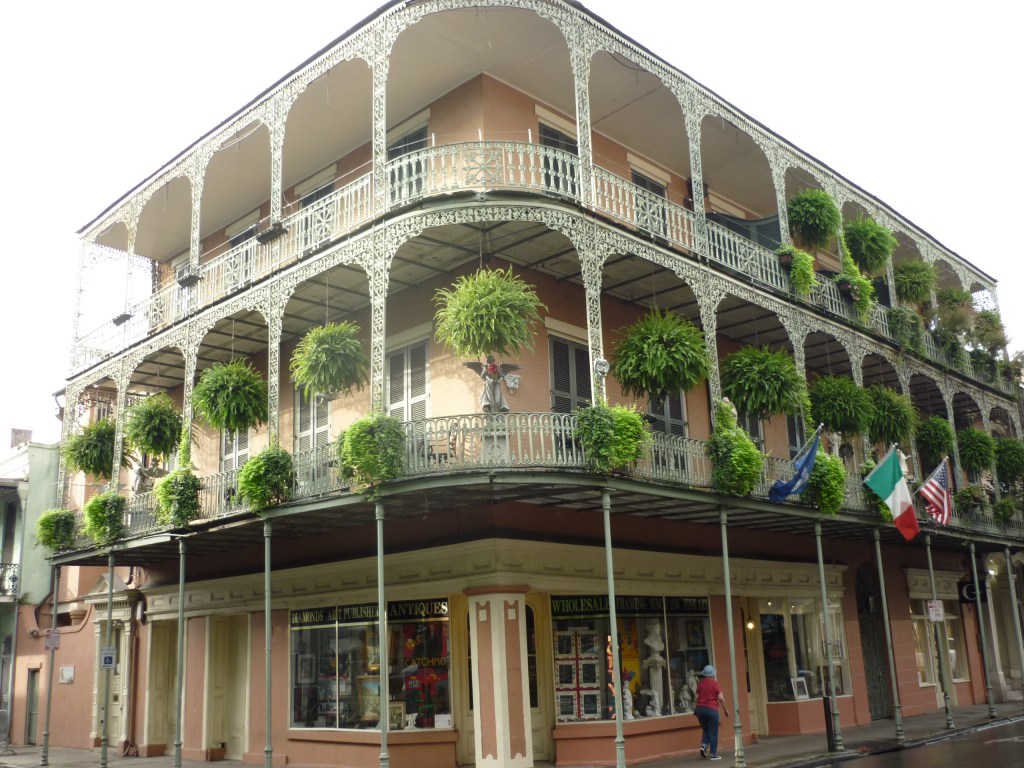
New Orleans French Quarter
Obviously, we don’t want to get rid of the things that make New Orleans unique — or Siem Reap, or Rome, or anyplace else. No, the solution is to increase the number of places that are worth visiting.
After all, why should prosperity and global culture necessarily make places uniform and boring? Paris, New York, and Tokyo are famously wealthy cities, centers of global civilization, yet they all attract visitors. So why don’t the “boring” places? Why shouldn’t Springfield (Massachusetts), or Springfield (Illinois), or Springfield (Missouri), or Springfield (Ohio) attract visitors? What are they missing? They’ve all got restaurants — probably some good ones — museums, local historical sites, bars, shops, and so forth. Why aren’t they charming?
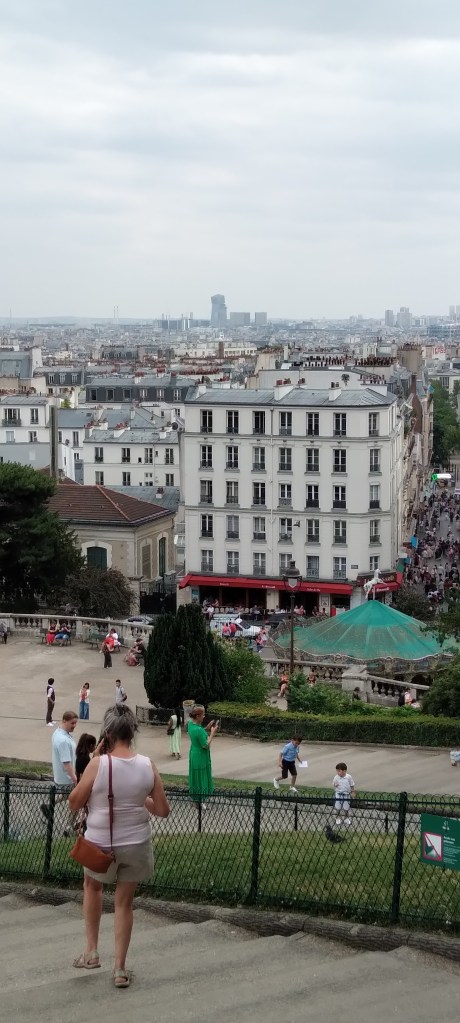
Montmartre, Paris
I think the answer is the physical environment. Architecture and city planning. “Interesting” towns have interesting-looking buildings, interesting public spaces, and above all they have districts where visitors can get around on foot. This is nothing new — Victor Gruen knew that when he designed the first shopping mall in 1956. Create a walkable, visually interesting place with a variety of things to do, and people will come.
Of course, malls themselves became a synonym for suburban blandness, precisely because they all started to look too much alike. (And, as I mentioned last time, they began to have all the same stores.) Trying to create variety by any kind of top-down approach is doomed by definition. You can’t create a National Standard Variety Index and expect any improvement. Desperate flailing attempts by cities to forcibly make their downtowns vital just creates more expensive emptiness.
Instead, I think we should encourage both tradition and innovation from the bottom up. Promote the use of local “vernacular” architecture styles, which often are better-suited to a particular climate than generic designs. And, just so that we don’t get too many cookie-cutter “traditional” structures, encourage innovation — real innovation rather than bandwagon-following. When every new building is “transgressive” none of them are.
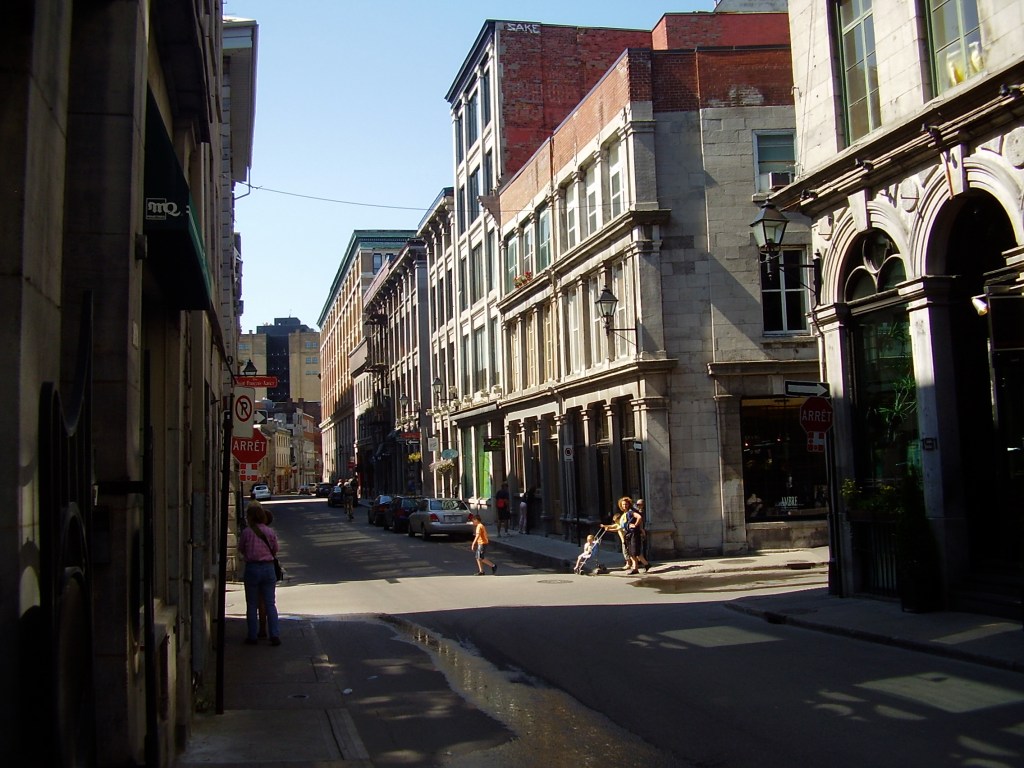
You can’t promote good architecture by law, but you can make it more possible. You can create conditions that allow architects and builders to do the right thing, rather than putting up obstacles. Make building codes more flexible, or give local zoning and planning boards more room to allow variation. Too many places rigorously segregate residential and commercial use, which leads to residential neighborhoods where there’s nothing to do, and business districts which “roll up the sidewalks” at 5 p.m. Too many places stick rigidly to rules about parking spaces, separation distance, and such, which makes it hard for all but the most generic and formulaic designs to get built. Those rules are all well-intentioned, but the whole purpose of zoning and planning regulations is to make towns and cities better, not worse. It is noteworthy that in almost all the charming cities in the world, the charming parts are “grandfathered in” to contemporary codes which wouldn’t allow them to be built new. Fix that!
And beyond laws and regulations, people need to take a role. Don’t shrug and accept ugly buildings, don’t assume there is no way to change zoning rules, and above all: don’t distrust your own taste! Just because a building has an expensive architect or a big budget doesn’t mean you have to think it’s handsome. Your opinion matters, so don’t settle for anything you don’t like. Buildings are for people, not the other way around.
I’m actually pretty optimistic about this. As people gain in wealth and leisure time, they do start to care more about their physical surroundings. You can usually tell at a glance how wealthy a town is by the level of landscaping in public places, what kind of art is on display. Perhaps the perils of prosperity are self-correcting: once we pass through the stage of uniformity, towns and cities will find ways to make themselves distinct again, and become worth visiting. It’s something to work for, anyway.
 The Cambias Digression